Sep 18, 2026Pet Care Guides
Dog Toy Materials: What Is Actually Safe to Chew
Dog toys are not regulated the way children's toys are. Here is how to read materials, spot risky compounds, and match a toy to the way your dog chews.
There is no single regulator checking dog toy safety in the way there is for children's products. That puts the reading on the label. Knowing what to look for takes about two minutes and prevents most of the problems owners report.
Compounds worth asking about
When you evaluate a toy, ask the maker directly about PVC, phthalates, BPA, lead, chromium, melamine, arsenic, bromine, and formaldehyde. A supplier who can answer in writing is a supplier worth keeping.
Be most careful with very cheap imports where the material cannot be verified. Price is not proof of a problem, but an unverifiable supply chain is a real risk.
Match the material to the chewer
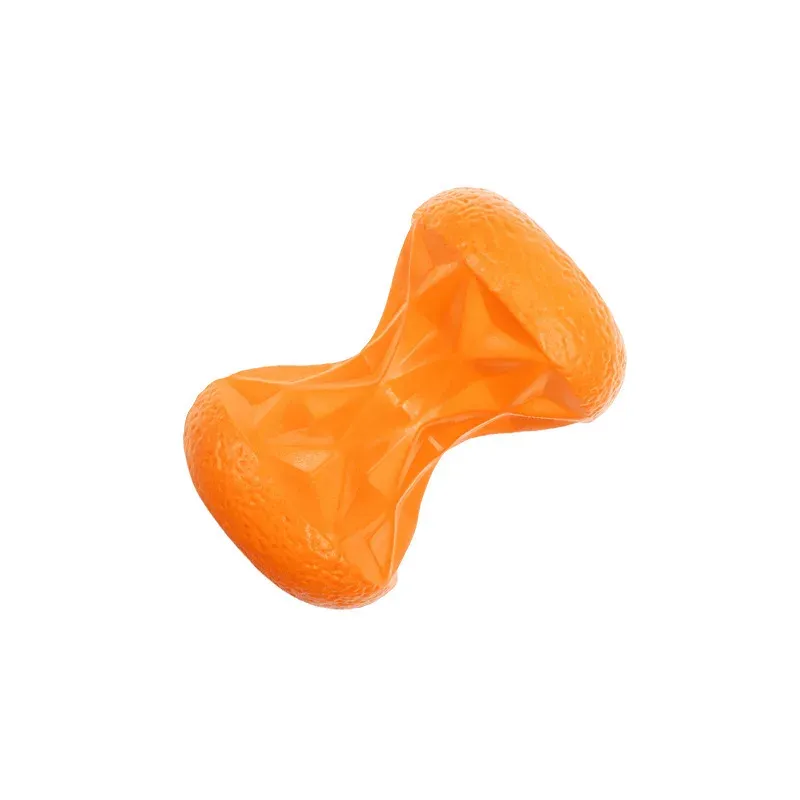
Rubber is the best general choice. It has enough give to absorb jaw pressure while standing up to daily use, which is why it dominates treat-dispensing and fetch toys.
Silicone is softer and food-safe, which makes it right for lick mats and treat moulds, but not for heavy chewing. A determined chewer will strip it.
Nylon is hard enough for strong chewers and useful for dental textures, but it does not flex. It should be sized up so the dog cannot get a back tooth over it.
Rope flosses teeth and is great for tug, but loose strands are a swallowing risk once the ends fray. Retire rope toys early.
The supervision rule
Every serious toy guide repeats the same three steps: inspect before each use, supervise while the dog plays, and throw the toy away once it is damaged. Owners who skip the third step report the worst outcomes, usually a swallowed fragment.
Size matters more than strength
A toy that is too small gets swallowed; one that is too large is ignored. As a rough guide, choose a toy that the dog can hold comfortably without being able to work the whole thing into the back of the mouth.
For buyers
Ask for the base polymer, the hardness (durometer) if it is rubber, and whether the compound list above is absent. For treat toys, ask whether the material is food-contact rated, since kibble sits inside it.
A toy is only as safe as the supervision it is used under.